 admin
admin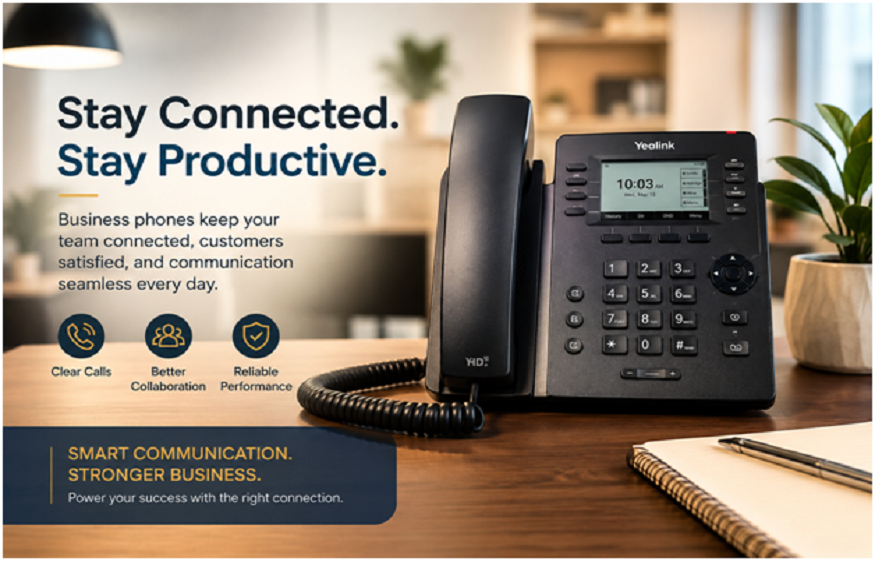
Business communication has evolved, and businesses need more flexibility than a desk phone can typically provide. Customers call from different time zones, teams work across offices and remote locations, and managers need more insight into how calls are handled. If your phone system isn’t set up to meet these demands, you could miss calls, respond slowly, and offer a less-than-professional customer experience.
Scalable communication no longer belongs exclusively to large corporations. Small and mid-sized businesses require systems that can scale with their employees, manage rising call volumes, and maintain organized customer conversations. By using VoIP, phone services can help your company deal with these changes through cloud features, less dependence on hardware, and more control over your day-to-day communications.
Cloud Phone Systems Support Modern Growth
Cloud phone systems allow a company to expand without the burden of on-site equipment. Companies can now manage users, numbers, call flows, and features on a more flexible platform rather than a traditional, heavyweight setup.” This makes it easier to add staff, support remote workers, and scale communication needs as the business evolves.
Growth brings new communication challenges. A company may be opening a new location, hiring seasonal employees, or needing better call routing during peak periods. A scalable phone service means teams don’t have to do it all themselves. This pragmatic flexibility can help to reduce delays for managers, improve customer service, and maintain a more professional communication structure.
VoIP Commercial Systems Manage Expanding Teams
VoIP Commercial Phone Systems are built for companies that require reliable communication between departments, branches, and remote employees. They can help route calls to the right person, support voicemail access, manage extensions, and allow teams to communicate from office phones, computers, or mobile apps. This makes them useful for companies that are expanding beyond a single fixed location.
As call activity increases, VoIP Commercial Phone Systems also help businesses avoid the restrictions of older phone setups. Adding users, changing routing rules, or supporting hybrid teams are often less disruptive. That keeps companies agile and provides staff with the tools they need to handle customers, sales inquiries, support calls, and internal communication more effectively.
Smarter Call Routing Improves Customer Experience
One of the most important features for scalable communication is call routing. When people call a business, they want to reach the right department quickly. Smart routing can route calls to sales, support, billing, reception, or specific staff members based on business rules. It reduces confusion and prevents callers from being passed around endlessly.
Better routing helps teams handle high call volumes. Calls can be queued, forwarded to available users, or sent to voicemail as required. These features safeguard the customer experience by stopping callers from wondering if the business is open. For companies that rely on leads, appointments, bookings, or service requests, this can feed directly into revenue and trust.
Voice Over IP Systems Add Flexibility
A Voice Over IP Telephone System allows business calls to be made over an internet connection and not just traditional phone lines. This gives more flexibility to companies that need staff to answer calls from different locations. Mobile teams, remote employees, and employees inside the office can all stay connected through the same business communication infrastructure.
Voice over IP telephone systems can also offer features to facilitate day-to-day work. These can include voicemail-to-email, call forwarding, auto-attendants, call recording, analytics, and CRM integrations. Such tools allow teams to track customer interactions more effectively and manage conversations with a higher level of professionalism. This is especially useful when a business is scaling and can’t rely on informal call handling.
Scalable Features Reduce Operational Pressure
Many companies now have employees in a number of locations. Some are office-based, some work from home, and some are on the road at customer sites. This allows these teams to share a single business phone identity with a scalable VoIP setup. Even when they’re not sitting at a traditional desk, employees can answer calls professionally.
Trust is built on consistency with customers. To the caller, it doesn’t matter where the staff member is working from, as long as the communication is smooth and reliable. Easy call transfer, voicemail checking, and collaboration also benefit internal teams. It builds a more connected workplace, without requiring everyone to be in one place.
Remote and Hybrid Teams Stay Connected

Many companies now have employees in a number of locations. Some are office-based, some work from home, and some are on the road at customer sites. This allows these teams to share a single business phone identity with a scalable VoIP setup. Even when they’re not sitting at a traditional desk, employees can answer calls professionally.
Trust is built on consistency with customers. To the caller, it doesn’t matter where the staff member is working from, as long as the communication is smooth and reliable. Easy call transfer, voicemail checking, and collaboration also benefit internal teams. It builds a more connected workplace, without requiring everyone to be in one place.
Cost Control Improves With Cloud Communication
Traditional phone systems can trap businesses in high costs for new hardware, extra lines, maintenance, and technical upgrades. Cloud-based VoIP services are often a more manageable structure, as businesses can scale features and users as needed. That can help cut down on the cost while still allowing you to communicate professionally.
Cost control is not about choosing the cheapest system. That is, a configuration that provides value over time. A good VoIP service should be able to support growth, reduce maintenance pressure, and improve response to customers. Cloud communication is typically a smart choice for today’s business operations when a company looks at long-term flexibility, support, and features.
Conclusion
VoIP commercial phone systems are built for scalable business communication. Companies can grow while having control over customer calls. Smart routing, mobile access, voicemail tools, analytics, and flexible user management all contribute to better service in busy and normal times. This kind of system can increase reliability, professionalism, and day-to-day efficiency for growing teams.
Hosted VoIP Services helps businesses with managed cloud phone systems, call flow configuration, number porting, call routing, mobile access, and ongoing support. Their team empowers companies to develop flexible systems of communication that grow with the company, support remote teams, and elevate the way customers connect with the business every day.
Frequently Asked Questions
Question: Why are VoIP phone systems useful for growing businesses?
Answer: VoIP phone systems are useful because they can support more users, locations, and features without heavy on-site hardware. Businesses can adjust call routing, add staff, and support remote workers more easily as their communication needs change.
Question: Can VoIP systems help reduce missed calls?
Answer: Yes. Features such as call queues, forwarding, voicemail-to-email, auto-attendants, and ring groups can help businesses manage incoming calls more effectively. This reduces the chance of customers being ignored during busy periods.
Question: Are VoIP systems suitable for remote teams?
Answer: Yes. VoIP systems can support remote and hybrid teams through desktop apps, mobile apps, and internet-based calling. Staff can answer business calls from different locations while keeping communication consistent and professional.
Question: What features should a scalable phone system include
Answer: A scalable system should include call routing, voicemail, call forwarding, extensions, analytics, mobile access, auto-attendants, and support for multiple users or locations. These features help businesses manage growth more smoothly.
Question: When should a company upgrade to a VoIP phone system?
Answer: A company should consider upgrading when its current system causes missed calls, limits remote work, lacks reporting, becomes expensive to maintain, or cannot support new users and locations efficiently.